
Google Ads vs. Meta Ads: Where Your First $1,000 Should Go
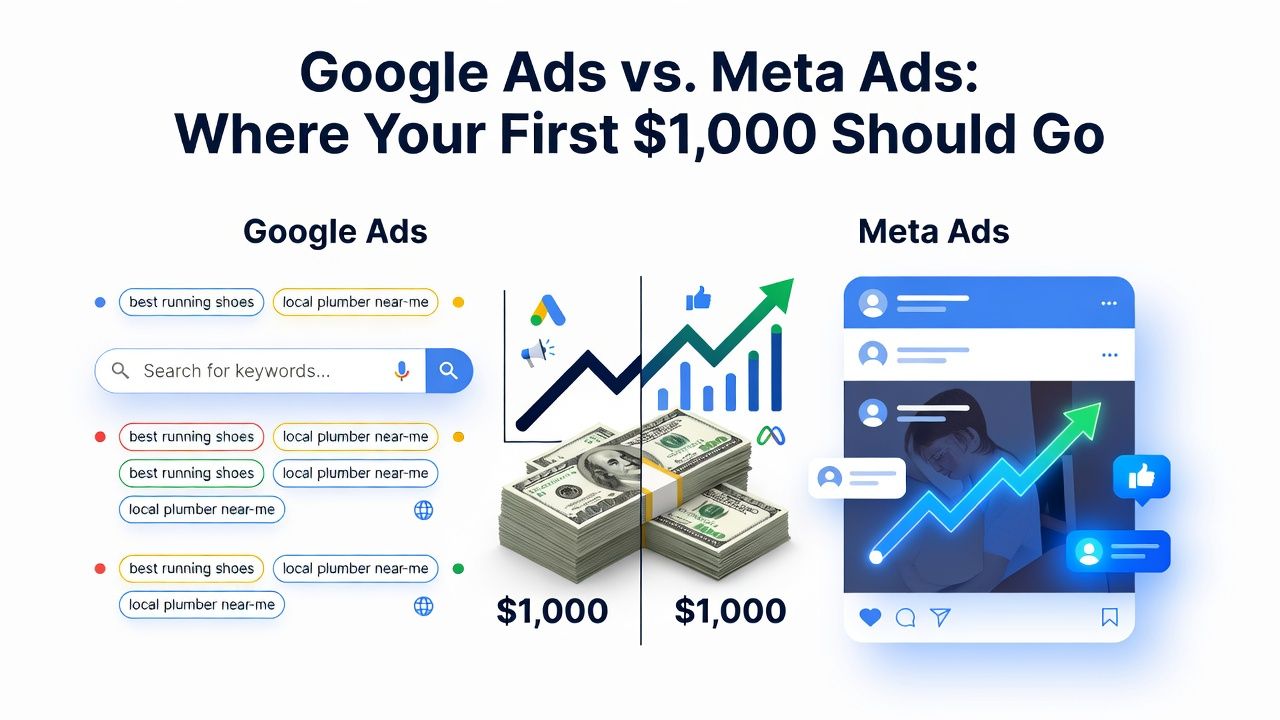
One platform harvests demand that already exists. The other manufactures it. Almost everything about how you should spend a small budget follows from that single distinction.
 Digital Marketing Tool Editors
One platform harvests demand that already exists. The other manufactures it. Almost everything about how you should spend a small budget follows from that single distinction.

The cookieless apocalypse was called off in April 2025. Privacy Sandbox was shut down six months later. So does server-side tagging still make sense — and what does it genuinely cost once the hosting bill arrives?

The average marketing dashboard is opened twice: once when it’s presented, once when someone is looking for a number to argue with. Here’s how to build one that survives past week three.
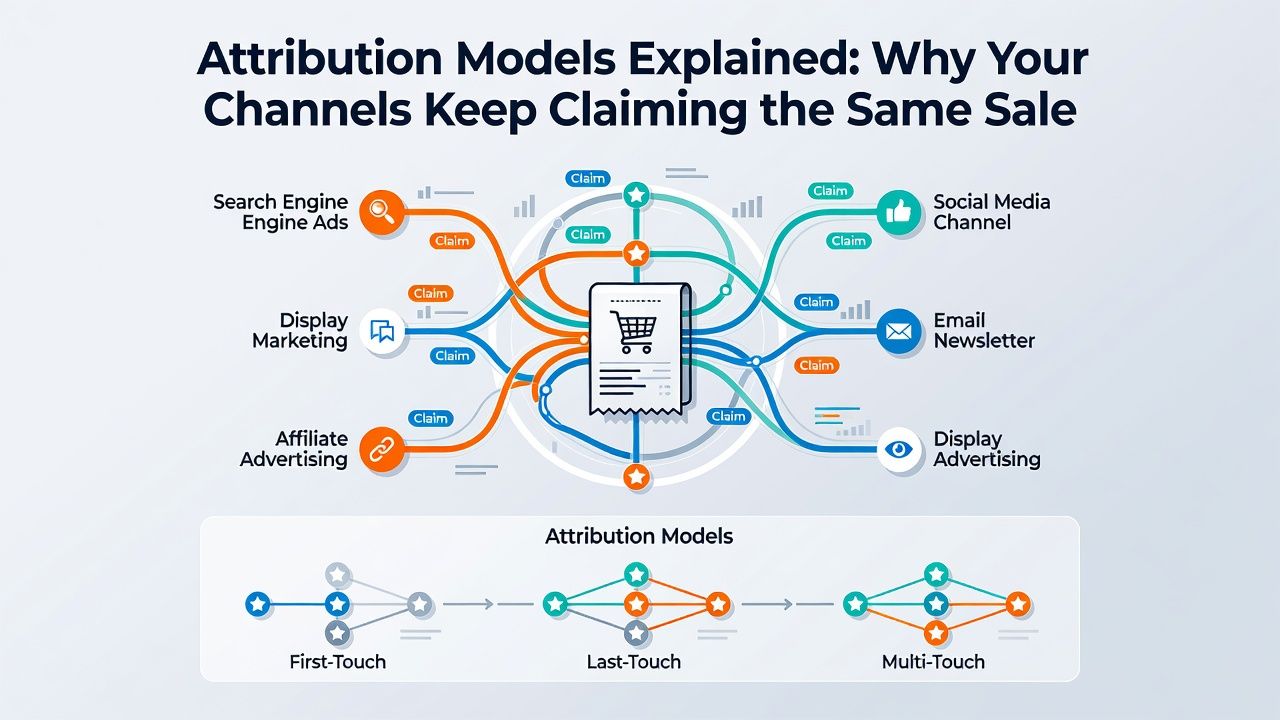
Google says 340 conversions. Meta says 280. You had 400 orders. Nobody is lying, everybody is wrong, and the fix isn’t a better model.
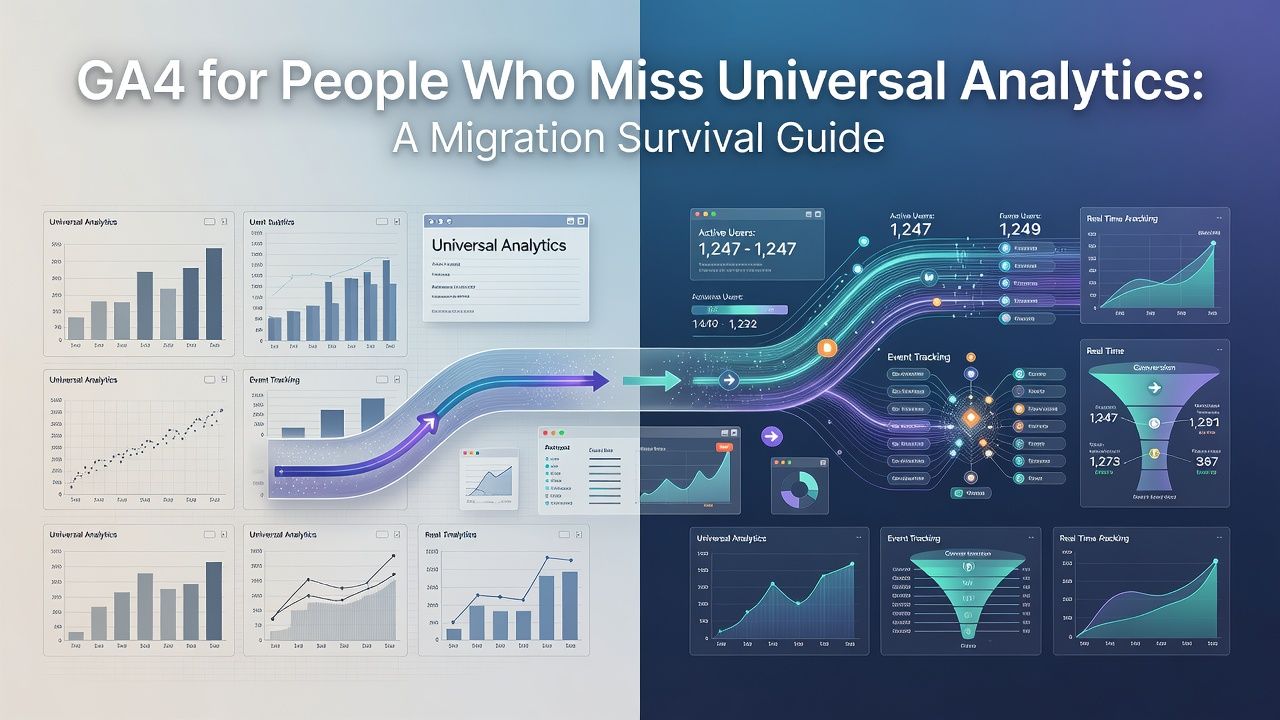
Three years on, the complaints haven’t stopped — and most of them are correct. Here’s what actually changed, which of your old reports are genuinely gone, and how to rebuild the ones that mattered.
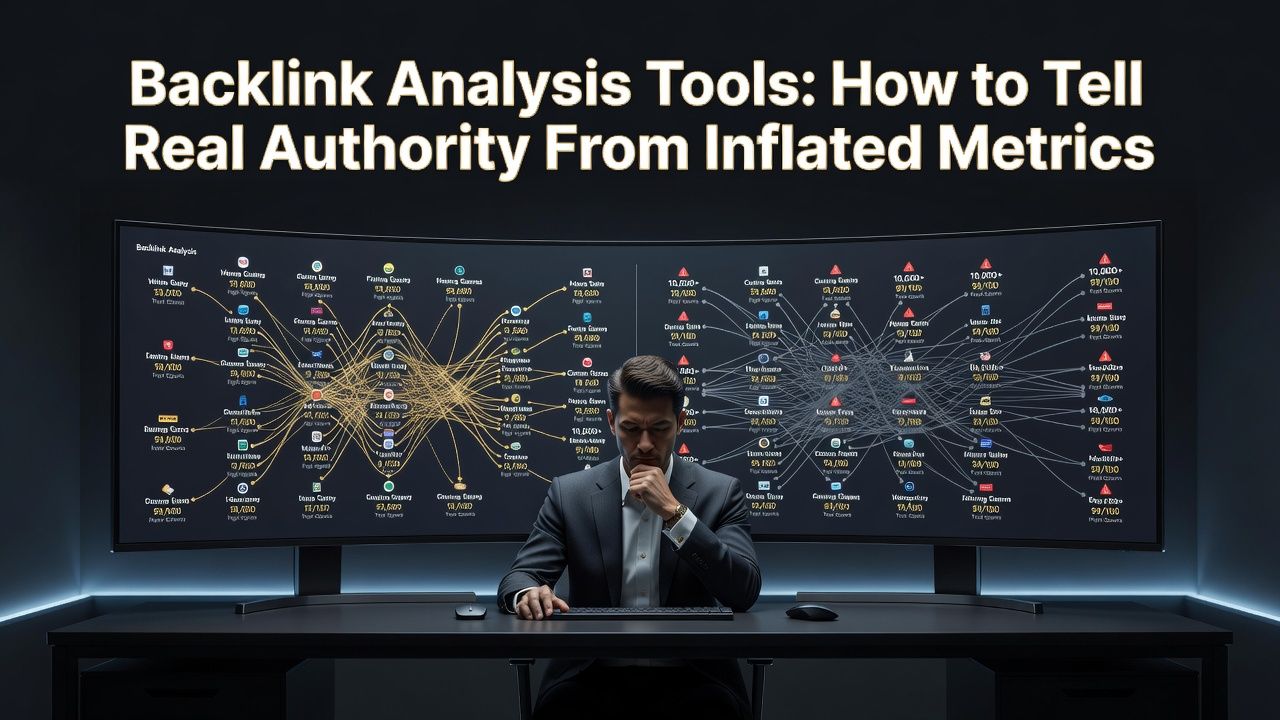
Domain Rating 74. Domain Authority 68. Trust Flow 41. None of these numbers come from Google, all of them can be manufactured, and an entire industry depends on you not knowing that.

A 180-point audit is a sales document. The failures that actually cost traffic cluster in about six places — and half of them are invisible in the tools people run first.
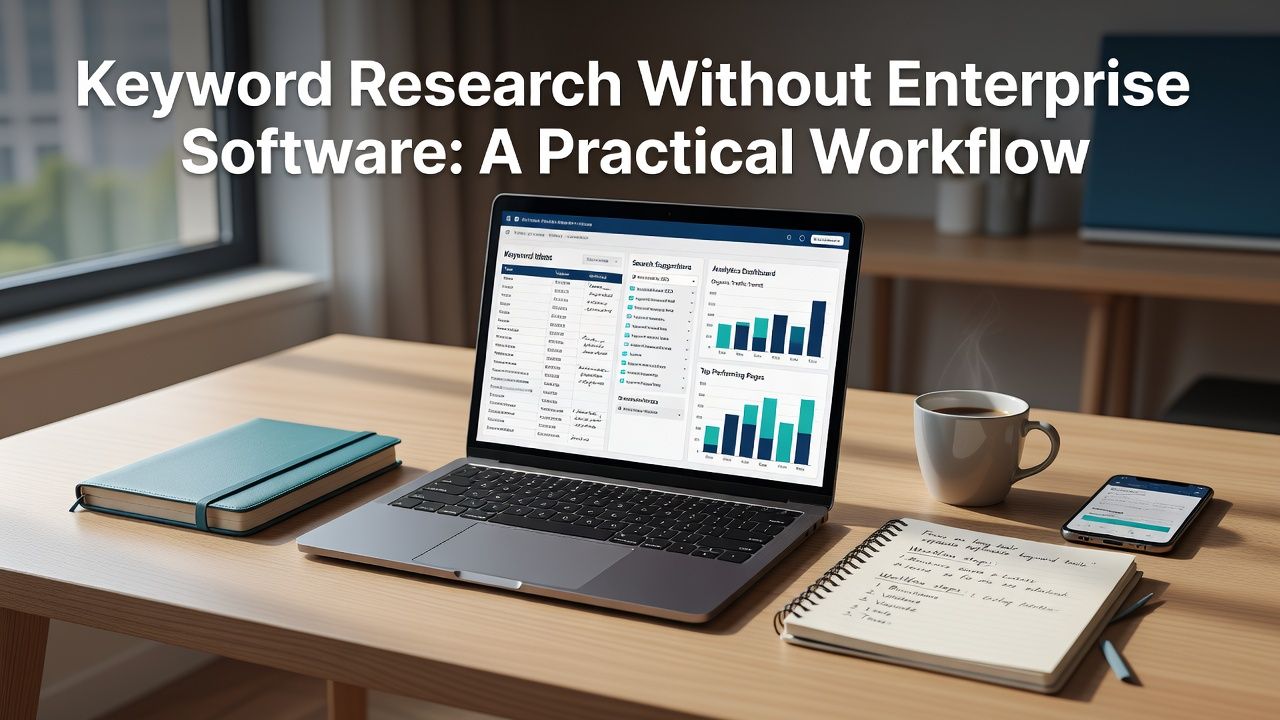
You do not need a $249 subscription to find out what people are searching for. You need about $30, a spreadsheet, and the discipline to read a search results page properly.
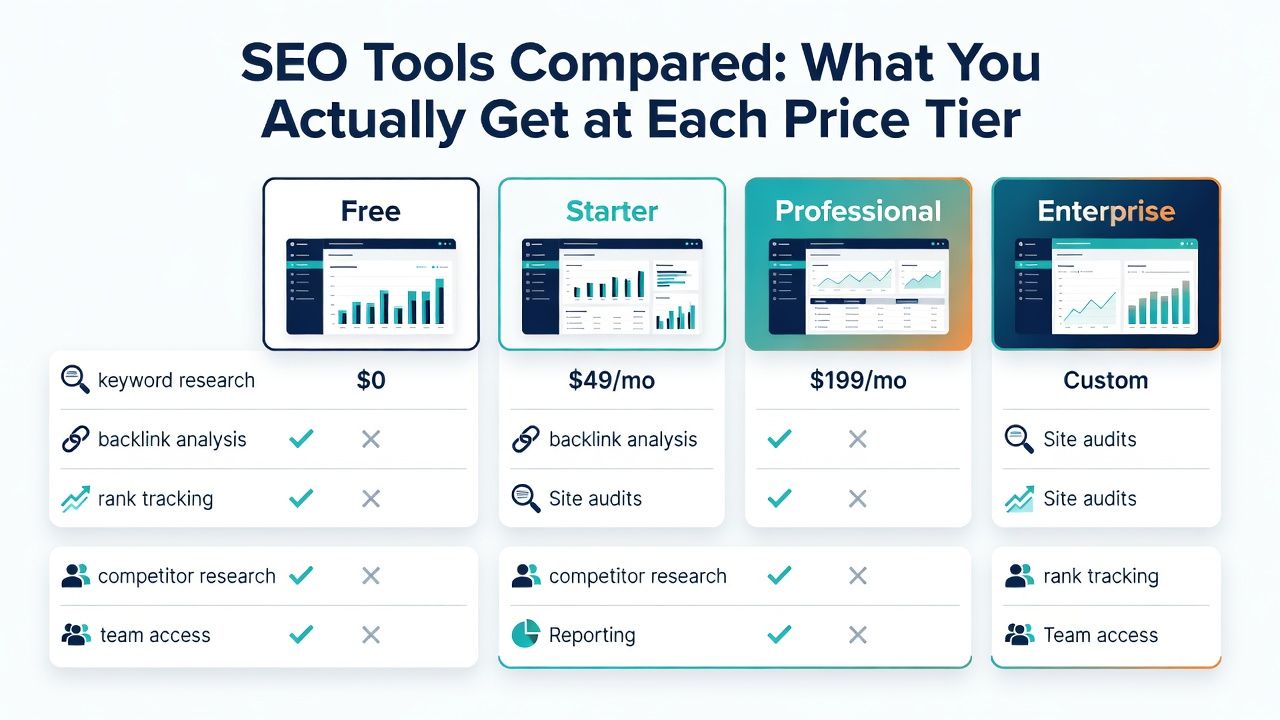
From free Google dashboards to $500-a-month agency suites, the price ladder in SEO software is steeper than ever. We break down where the money goes — and where it quietly disappears.